
ASSIGNMENT

THE CHALLENGE
Students will be able to understand Aperture in theory, practice it by taking pictures, demonstrating the ability to fully utilize a DSLR and or Mirrorless camera.
STAGE 01: UNDERSTAND APERTURE
WATCH THE VIDEO BELOW:
STAGE 02: MAKE A GOOGLE SLIDE
GOOGLE SLIDE SHOULD HAVE 6 SLIDES IN TOTAL:
SLIDE 01: Name > Project > Brief description of what you are presenting.
STAGE 03: MAKE A PLAN
YOU MUST SHOW TEACHER THE PLAN BEFORE GOING OUT TO SHOOT IMAGES
MAKE A COPY of the doc and fill it in.
Photo 1: What’s in Your Hand? Hand out stretched holding something in focus with subject behind blurred. The person must have something in their hands or falling from their hands!

Photo 2: Something with Wheels Very small section of something with wheels bike, golf cart, motorcycle, car or skateboard in focus with the back blurred.
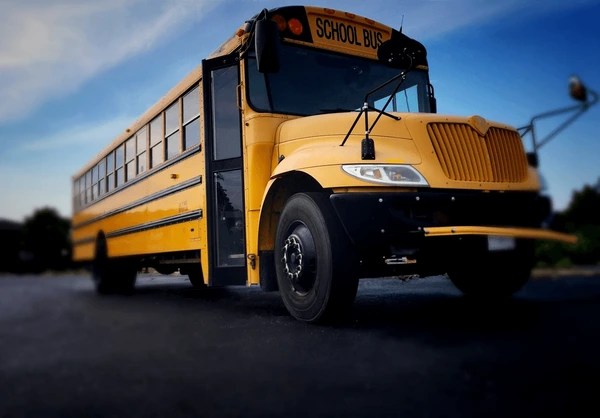
Photo 3: One Foot in Front of Another. Have one foot in focus and the other foot blurred out. You can take the photo from in front of the shoes or from behind.

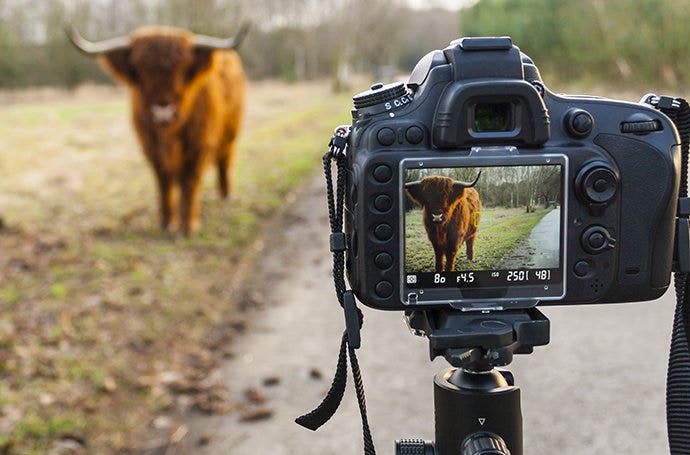
Photo 4: Free Choice. You may pick any subject to photograph as long as the front is in focus with back blurred.
STAGE 04: EDITING IN LIGHTROOM CLASSIC
EDIT YOUR IMAGES.
STAGE 05: Submit the following below:
DELIVERABLES:
- GOOGLE SLIDE SHOW – with ALL 6 slides.
- Slide 1 should have your name, the assignment name listed.
- Slide 2 to 5 should have 4 images you’ve taken plus the raw image (UNEDITED)
- Slide 3 should have a reflection based on the questions/ prompt here:
- How did adjusting the aperture shape your creative control?
- Prompt: Reflect on how using a wide aperture versus a small aperture influenced what you chose to emphasize—or intentionally soften—in your photograph. How did that align with your artistic vision?
- What technical and creative trade-offs did you notice when changing aperture?
- Prompt: Consider how aperture impacted not just depth of field but also exposure, lens sharpness, and any diffusion or diffraction you observed. Which setting felt strongest for communicating your photographic intent?
- In what ways did you use depth of field as a storytelling tool?
- Prompt: Think about how the depth of field served to highlight your subject, simplify the composition, or guide the viewer’s attention. Did it evoke a particular mood or narrative?
- What challenges did you face when setting your aperture, and how did you overcome them?
- Prompt: Whether it was managing light, keeping critical elements in focus, or dealing with gear limitations, describe how you navigated those obstacles to achieve your desired result.
- How has this assignment changed your understanding of aperture’s role in exposure and image clarity?
- Prompt: Reflect on how your grasp of how aperture affects both the amount of light entering the camera and the depth of field has evolved through this exercise.
- You can put this in one paragraph of 5 – 10 sentences in the last google slide. I am looking for your understanding of the process and your indicator of skill level.
THATS IT !!! YOUR DONE.…OH WAIT….Rubric below:
| Criteria | Excellent (4) | Proficient (3) | Developing (2) | Beginning (1) |
|---|---|---|---|---|
| Understanding Aperture | Demonstrates full, precise understanding of aperture’s impact on depth of field and creative choices. | Shows clear understanding and mostly accurate explanation of aperture effects. | Basic understanding, with some confusion or lack of clarity in explanation. | Limited or incorrect understanding of aperture and depth-of-field. |
| Planning & Pre-shoot Work | Thoughtful and detailed plan using the provided template, aligned fully with prompts. | Plan is clear and mostly complete; addresses required prompts. | Plan is superficial or missing some required elements. | No plan or extremely incomplete, detached from assignment prompts. |
| Composition & Image Quality | Captures all four shots (Hand-held object, wheels, foot, free choice) with creative framing, sharp focus on subject and compelling use of depth of field. | Captures all four with good framing, consistent focus and DOF, minor technical flaws. | Captures most shots; issues in framing, DOF, or focus noticeable. | Many missing shots and poor framing, focus, or DOF control. |
| Technical Execution | Images show excellent control of aperture and exposure; RAW and edited images are well-processed (e.g., exposure, color, clarity). | Most images technically sound; editing improves quality with minor inconsistencies. | Technical execution inconsistent; some images under-/over-exposed or poorly edited. | Images show significant technical issues; editing detracts from quality. |
| Presentation (Google Slides) | Slides are clean, well-organized: slide 1 with name/project, slides 2–5 each include raw + edited image; slide 6 is reflective. | Slides mostly well-organized; minor omissions or layout inconsistencies. | Some structural elements missing or disorganized layout throughout. | Slides are missing multiple required elements or are poorly structured. |
| Reflection Quality | Response (on Slide 6) shows deep insight into aperture’s creative and technical effects; well-written and introspective. | Good reflective response; addresses prompts well with moderate detail. | Response is superficial and addresses only some prompts; limited introspection. | Response is minimal, off-topic, or missing altogether. |
 Remtech Studio