
ONE THING TO ANOTHER ASSIGNMENT
THE CHALLENGE
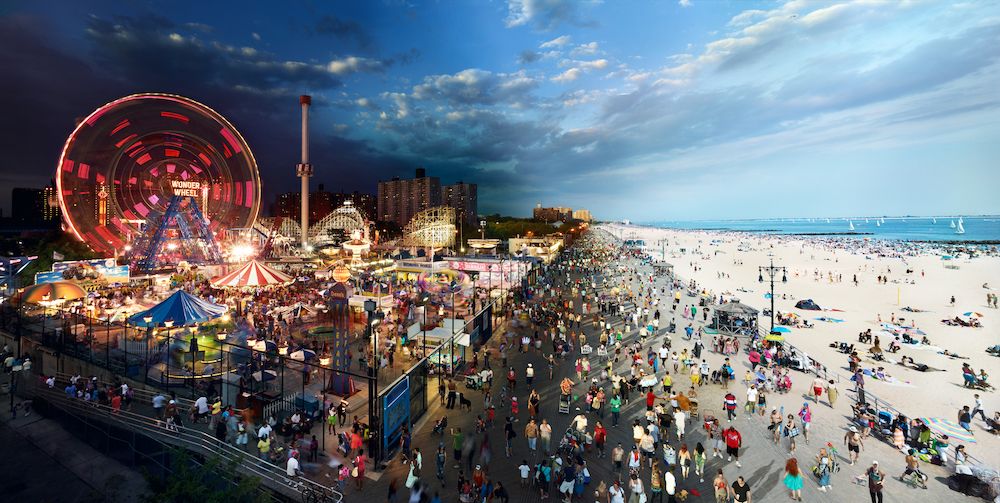
Using a three shot photography sequence themed “one thing to another” photography assignment, you can photograph a sequence of images that tell a story or show a transformation, focusing on themes like change over time, cause and effect, or a subject’s different roles. Alternatively, consider an assignment that uses a single object or concept and explores its various elements, such as patterns, textures, reflections, or shadow play to demonstrate how a simple idea can be seen in many different ways.
STAGE 01: MAKE A GOOGLE SLIDE
GOOGLE SLIDE SHOULD BE 3 SLIDES IN TOTAL:
Create a Google Slide. On Slide one put your name and the assignment – you will also need to put the theme after you decide on it in stage 2. Create two more slides. The second slide will have your final three images and your original unedited images for a total of 6 Images. Now create your third slide, this is a reflection slide which you will complete before handing in your assignment.
STAGE 02: MAKE A GOOD PLAN
STEP 02: PLAN in a google doc. ( THIS DOESN’T NEED TO BE SUBMITTED)
Choose a Strong Theme:
Select a single theme to tie your series together and make your story clearer.
Create a Narrative:
Think of a series of photos to tell a story that progresses from one image to the next, creating a clear beginning, middle, and end.
Focus on Detail:
Think about attention to the small details within each image, as these can help to tell the story and make the sequence more engaging.
Experiment with Perspective:
Think about using different camera angles and compositions to show the same subject in new and interesting ways.
POTENTIAL IDEAS: (USE CHAT GPT TO HELP) I provided you with some options below:
Photography Prompts: One Thing → Another
- Morning → Night – same location, different times of day.
- Empty → Full – cup, plate, jar, or classroom filling with students.
- Old → New – rusted tool vs. shiny replacement.
- Raw → Finished – ingredients vs. cooked dish.
- Still → Moving – a parked bike vs. the same bike in motion.
- Closed → Open – a door, book, or locker.
- Plain → Decorated – a wall before and after posters/art.
- Alone → Together – one chair vs. many chairs around a table.
- Big → Small – same subject zoomed in vs. zoomed out.
- Light → Dark – candle unlit vs. lit.
- Past → Present – old family photo re-created today.
- Empty Hands → Holding Something – an expressive switch.
- Broken → Fixed – a torn object mended.
STAGE 03: TAKE YOUR PHOTOS
YOU MUST SHOW TEACHER THE PLAN BEFORE GOING OUT TO SHOOT IMAGES
VIEW SOME TUTORIALS BELOW ON HOW TO TAKE YOUR PHOTOS USING YOUR PHONE
STAGE 04: EDITING IN LIGHTROOM CLASSIC
Learn below the LIGHTROOM way. This is super easy and fun to do.
STAGE 05: Submit the following below:
DELIVERABLES:
- GOOGLE SLIDE SHOW – with three slides.
- Slide 1 should have your name, the assignment name and the theme listed.
- Slide 2 should have 6 images. Three images at the top of your unedited images, and three at the bottom of edited images.
- Slide 3 should have a reflection based on the questions here:
- Theme & Narrative Clarity
- How did your chosen theme (“One Thing → Another”) guide your photo sequence, and how effectively do you feel the three images communicate a clear beginning, middle, and end?
Encourages students to assess how well their theme shapes the visual story.
- How did your chosen theme (“One Thing → Another”) guide your photo sequence, and how effectively do you feel the three images communicate a clear beginning, middle, and end?
- Original vs. Edited Comparison
- What differences do you observe between your original unedited images and the edited versions? How did your editing choices (such as exposure, contrast, or color tuning) enhance—or detract from—the intended narrative or mood?
Promotes reflection on how editing decisions affect storytelling impact.
- What differences do you observe between your original unedited images and the edited versions? How did your editing choices (such as exposure, contrast, or color tuning) enhance—or detract from—the intended narrative or mood?
- Composition & Perspective
- In what ways did you experiment with angles, framing, or perspective to highlight your theme? Which compositional choices were most successful in conveying transformation, and why?
Invites analysis of visual techniques and creative risk-taking.
- In what ways did you experiment with angles, framing, or perspective to highlight your theme? Which compositional choices were most successful in conveying transformation, and why?
- Creative Growth and Learning
- What was the most surprising or insightful thing you learned during planning, shooting, or editing this sequence? If you could revisit the assignment, what would you do differently based on that insight?
Encourages metacognition and identification of areas for improvement.
- What was the most surprising or insightful thing you learned during planning, shooting, or editing this sequence? If you could revisit the assignment, what would you do differently based on that insight?
- You can put this in one paragraph of 5 – 10 sentences in the last google slide. I am looking for your understanding of the process and your indicator of skill level.
- Theme & Narrative Clarity
THATS IT !!! YOUR DONE.…OH WAIT….Rubric below:
| Criteria | Level 1 (Limited) | Level 2 (Developing) | Level 3 (Proficient) | Level 4 (Strong/Advanced) |
|---|---|---|---|---|
| 1. Creativity & Theme | Idea is unclear or doesn’t follow the “One Thing to Another” theme. | Theme is present but not fully developed or lacks originality. | Theme is clear, creative, and shows good effort in transformation. | Theme is very original, highly creative, and shows strong storytelling. |
| 2. Composition & Technical Skills | Photos show little attention to focus, framing, or lighting. | Some attention to composition and technical skills, but inconsistent. | Photos are well-composed, with clear attention to framing, angles, and lighting. | Excellent composition; strong use of focus, perspective, and lighting to enhance the story. |
| 3. Editing & Presentation | Little or no editing; images may appear unfinished. | Some editing is done, but not consistent or doesn’t support the story. | Editing improves the photos and helps tell the story clearly. | Editing is thoughtful, polished, and enhances the overall storytelling impact. |
| 4. Communication (Planning & Reflection) | Plan and reflection are missing or incomplete; many spelling/grammar errors. | Plan and reflection are present but lack detail; frequent errors. | Plan and reflection show clear thinking; few spelling/grammar errors. | Plan and reflection are thorough, insightful, and well-written with minimal errors. |
| 5. Effort & Completion | Work is incomplete or rushed; shows little effort. | Work is mostly complete but lacks polish or attention to detail. | Work is complete, with consistent effort and attention. | Work goes beyond expectations, showing strong effort and attention to detail. |
 Remtech Studio